Property owners exploring water softener installation often seek practical solutions to improve water quality and protect their plumbing systems. Hard water can lead to mineral buildup, reduce the lifespan of appliances, and cause soap scum or spots on fixtures. By considering professional installation services, homeowners can ensure their systems are set up correctly and operate efficiently, helping to maintain the integrity of their property’s plumbing and appliances over time.
For those in the area evaluating options, connecting with experienced local contractors can provide valuable insights into the best approaches for water softening solutions tailored to specific needs. Comparing different service providers allows property owners to find qualified professionals equipped to handle the installation process, ensuring a reliable setup that supports long-term water quality improvements. Keep reading to learn more about how local experts can assist with water softener installation projects.
- Water Softener Installation - needed when hard water causes mineral buildup and affects appliances.
- Water Softener Replacement - required when existing systems become inefficient or outdated.
- Whole-House Water Softening - suitable for homes experiencing widespread hard water issues.
- Commercial Water Softening - necessary for businesses seeking to improve water quality for operations.
- Water Softener Maintenance - essential for keeping systems functioning properly and extending their lifespan.
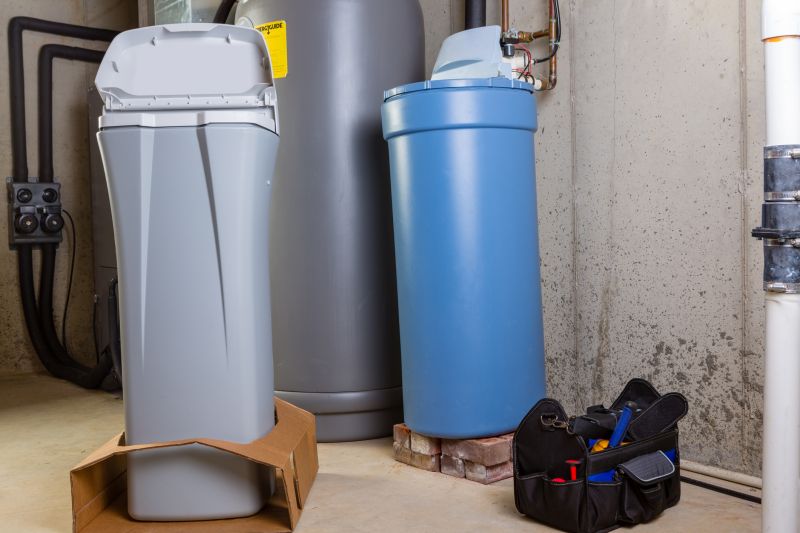
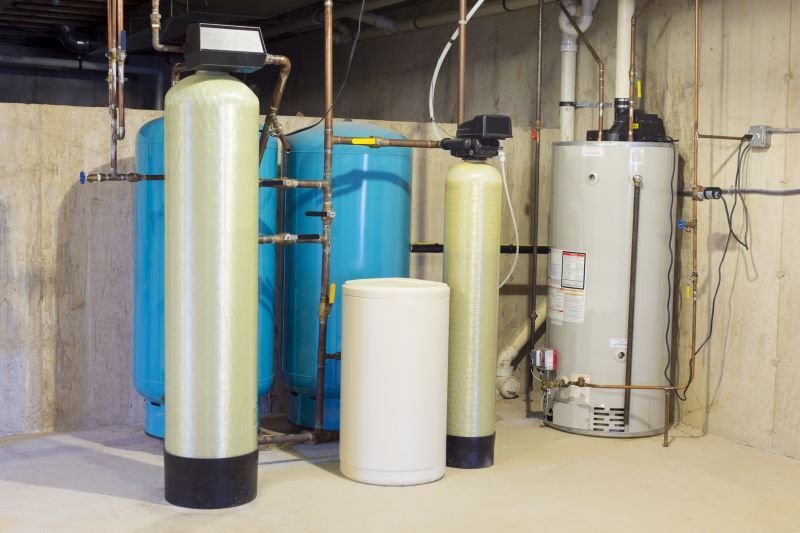
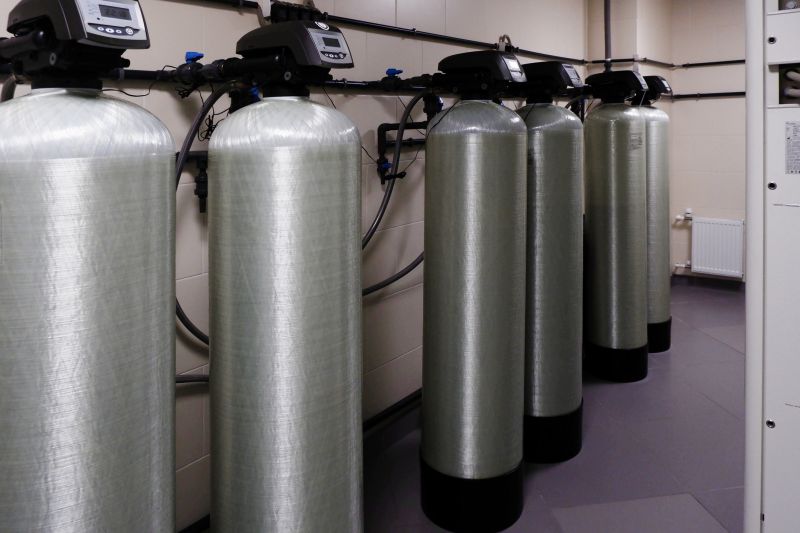
Water softener installation services involve setting up a system designed to reduce the mineral content in household water supplies. These systems typically use resin tanks and salt to remove hard water minerals like calcium and magnesium. The installation process includes assessing the property’s plumbing, selecting the appropriate water softener model, and properly connecting the system to ensure it functions effectively. Proper installation by experienced service providers helps ensure the system operates efficiently and provides long-lasting results.
Hard water can cause a variety of problems in a home, including mineral buildup on fixtures, soap scum that reduces lather and cleaning effectiveness, and scale deposits inside pipes and appliances. Over time, these issues can lead to higher energy bills, clogged plumbing, and damage to appliances such as water heaters and dishwashers. Water softener installation helps mitigate these problems by treating the water before it reaches fixtures and appliances, improving water quality and reducing maintenance needs.
Properties that typically benefit from water softener installation include homes with hard water detected through mineral deposits or soap residue. This service is common in areas with naturally high mineral content in groundwater or municipal water supplies. Both older homes experiencing mineral buildup and new constructions seeking optimal water quality may consider installing a water softener. It’s also a practical solution for households looking to extend the lifespan of plumbing and appliances while enhancing overall water comfort.
Choosing to have a water softener installed is a practical step for homeowners facing issues related to hard water. Local contractors who specialize in water treatment systems can evaluate a property’s water quality, recommend suitable equipment, and handle the installation process. This service is suitable for residential properties seeking to improve water clarity, protect plumbing, and enjoy softer, more manageable water throughout the home. Contacting experienced service providers can help identify the right solution for specific water quality concerns.
The overview below groups typical Water Softener Installation projects into broad ranges so you can see how smaller, mid-sized, and larger jobs often compare in your area.
In many markets, a large share of routine jobs stays in the lower and middle ranges, while only a smaller percentage of projects moves into the highest bands when the work is more complex or site conditions are harder than average.
Smaller Repairs - Basic water softener repairs or minor component replacements typically cost between $250 and $600. Many routine jobs fall within this range, depending on the specific issue and parts needed.
Full Softener Replacement - Replacing an existing water softener with a new unit usually ranges from $1,000 to $3,000. Larger, more complex installations can reach $4,000 or more, but most projects fall into the mid-range.
Installation of New Systems - Installing a new water softening system in a home can cost between $1,200 and $4,000, depending on the system size and complexity. Many standard installations are completed within this range, while custom setups may be higher.
High-End or Commercial Projects - Larger or commercial water softening systems can cost $5,000 or more, with some specialty projects exceeding this amount. These tend to be less common and involve more extensive work by local contractors.
Actual totals will depend on details like access to the work area, the scope of the project, and the materials selected, so use these as general starting points rather than exact figures.
Water Filtration System Installation - local contractors who install water filtration systems often use similar plumbing skills and planning as water softener installations to improve water quality.
Reverse Osmosis System Setup - professionals experienced in reverse osmosis systems are familiar with water treatment components and can handle related plumbing modifications.
Water Line Repair and Replacement - repairing or replacing water lines requires plumbing expertise and planning skills that are also essential for softener installation projects.
Whole-House Filtration System Installation - installing comprehensive filtration solutions involves similar planning, tools, and plumbing knowledge as installing water softeners.
Sediment and Carbon Filter Replacement - replacing filters involves understanding water flow and plumbing connections, skills applicable to softener service work.
Water Pressure Optimization Services - adjusting and optimizing water pressure involves plumbing adjustments and system planning akin to water softener setup.
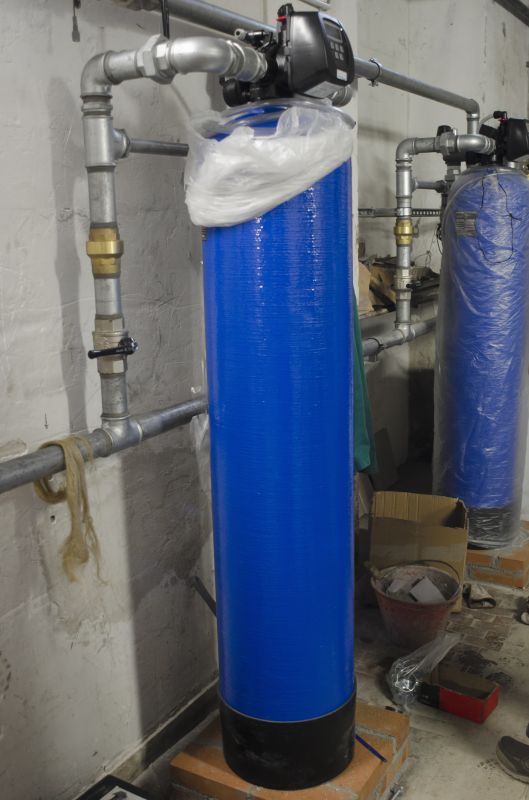
When evaluating potential service providers for water softener installation, it’s important to consider their experience with similar projects. Homeowners should look for local contractors who have a proven track record of installing water softeners in homes with comparable plumbing setups or water quality challenges. An experienced professional is more likely to understand the nuances of different systems and can recommend solutions tailored to the specific needs of the property. This familiarity can contribute to a smoother installation process and help ensure the system functions effectively over time.
Clear written expectations are essential when comparing local pros for water softener installation. Homeowners should seek providers who can offer detailed descriptions of the scope of work, including the installation process, any necessary preparations, and what the customer can expect during and after the project. Having this information in writing helps prevent misunderstandings and ensures everyone is aligned on project details. It also provides a record that can be referenced throughout the process, fostering transparency and confidence in the service provider’s professionalism.
Reputable references and good communication are key factors in selecting a reliable local contractor. Homeowners are encouraged to ask for references or reviews from previous clients who had similar systems installed. This feedback can provide insights into the quality of work and the contractor’s reliability. Additionally, service providers who communicate clearly, respond promptly to inquiries, and are transparent about their processes tend to be more dependable. Effective communication helps ensure that questions are answered, expectations are managed, and the overall experience is smooth from start to finish.
Property owners use Water Softener Installation services for practical projects around their homes and businesses. This guide focuses on everyday jobs and straightforward project options.
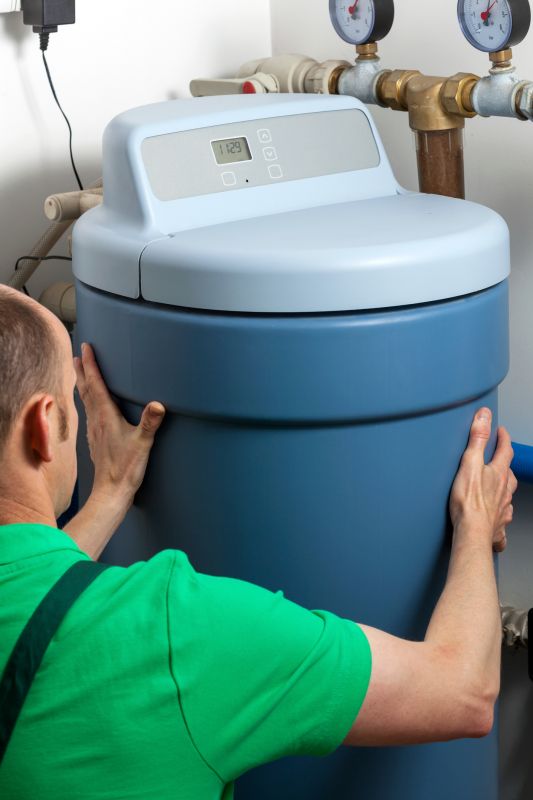
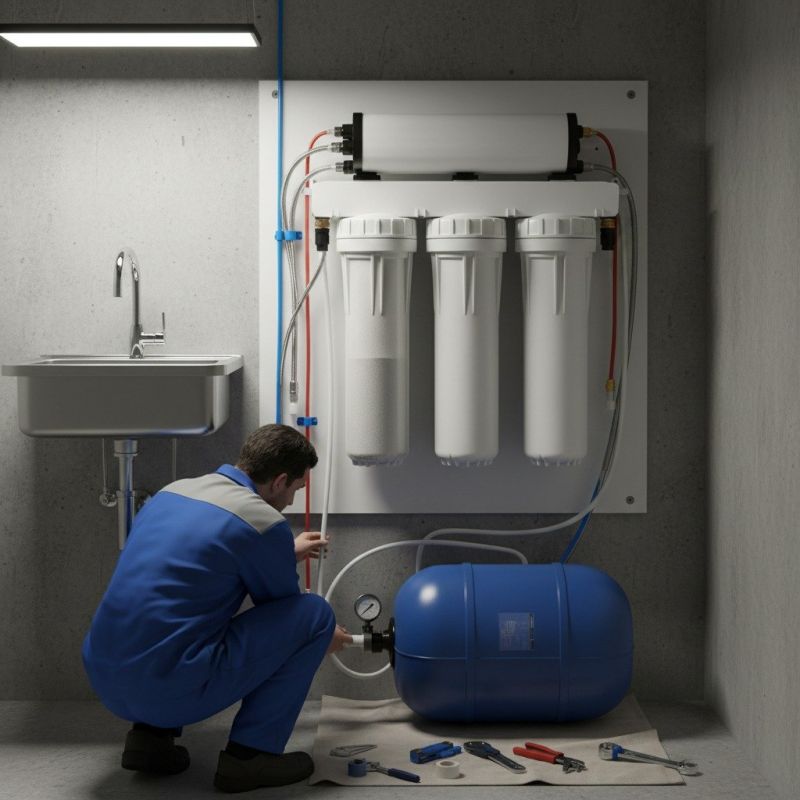
Water softener installation services are often sought by property owners dealing with issues caused by hard water, such as mineral buildup on fixtures, soap scum, and reduced appliance efficiency. Many residents look for local contractors to help improve water quality, especially when experiencing signs of hard water like scale deposits or skin irritation. These projects can also be necessary when upgrading plumbing systems or replacing outdated equipment to ensure better water flow and prevent damage caused by mineral accumulation.
Local service providers are equipped to handle a range of installation needs, whether for new systems or replacing existing units. Property owners may turn to local contractors for guidance on choosing the right water softener, or to address specific household concerns like improving laundry results or extending the lifespan of plumbing fixtures. Connecting with experienced local pros can help ensure the job is done properly, providing a long-term solution to common water quality challenges.
What are the benefits of installing a water softener? Installing a water softener can help reduce mineral buildup in plumbing, improve soap and detergent effectiveness, and extend the lifespan of appliances that use water.
How do local contractors typically install water softeners? Local service providers usually assess the home's water quality, select an appropriate softener system, and install it at the point of entry to ensure whole-house softening.
Can a water softener be added to an existing plumbing system? Yes, many local contractors can integrate a water softener into existing plumbing setups, provided there is suitable space and access for installation.
What types of water softeners are available for installation? Common options include salt-based ion exchange systems and salt-free alternatives, with local pros able to recommend the best choice based on water conditions.
What maintenance is required after a water softener is installed? Regular maintenance typically involves refilling salt, cleaning the system, and periodic checks, which local service providers can assist with or advise on.
Improve Water Quality - Installing a water softener helps reduce mineral buildup, making everyday chores like laundry and dishwashing more effective.
Protect Plumbing Systems - A water softener can prevent scale buildup in pipes and appliances, extending their lifespan and reducing maintenance needs.
Enhance Appliance Performance - Softened water can improve the efficiency of water heaters and other household appliances, saving energy and reducing wear.
Reduce Soap and Detergent Usage - Using softened water allows for less soap and detergent, leading to easier cleaning and less residue on fixtures and clothing.
If you are thinking about Water Softener Installation for a property, this guide is meant to help you understand the work, the typical project types, and how different options might fit your plans.
When you are ready, you can use the quote form on this page to share a few details about your project. From there, local pros can review the basics and respond with options that match what you have in mind.